For the past eleven years, I’ve spent my life looking at floor plans, staging rooms, and debating with sellers about why that one dark hallway is killing their closing rate. If there is one thing I’ve learned, it’s that real estate isn’t just about the structure; it’s about the psychology of the person walking through the door. And lately, that psychology has shifted fundamentally.
We are currently living through one of the most interesting migration trends housing shifts in recent history. The "flight to the suburbs" narrative was noisy, but the "return to the urban lifestyle" is nuanced, sophisticated, and entirely driven by a new set of values. If you are an agent, a developer, or a homeowner looking to list, you need to stop selling square footage and start selling the lifestyle of the post-pandemic worker.
The Death of the Square-Footage Fetish
I’ve said it before and I’ll say it again: stop leading with your square footage. Nobody cares that your unit is 1,200 square feet if it feels like a dark shoebox. The modern buyer is looking for lifestyle flexibility.
In our current urban demand shifts, the buyer isn't asking, "Is this house big enough for a family of four?" They are asking, "Is this space flexible enough for my hybrid work setup, my Peloton, and my ability to host friends on Friday night?"
We’ve moved into an era where a well-designed 800-square-foot loft with massive factory windows, exposed brick, and a functional live-work layout outperforms a 1,500-square-foot suburban split-level that requires an hour-long commute. The value isn't in the raw area; it's in the utility and the aesthetic.
The "Laptop Test" as a Marketing Metric
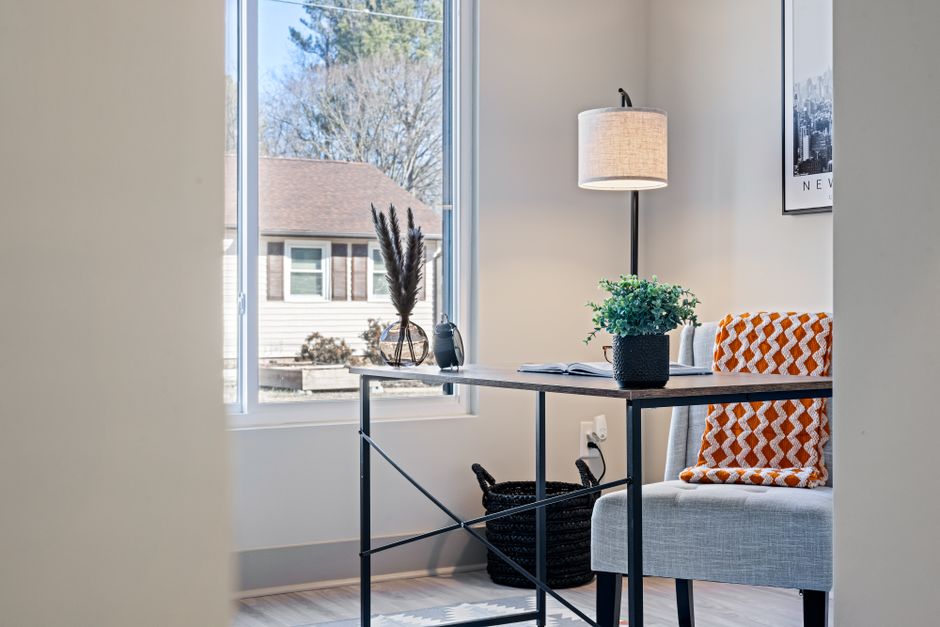
When I tour a property, the first thing I do is look for the "laptop nook." If I can’t find a spot where a high-performing professional can set up a laptop without sitting on their bed or kitchen counter, the listing loses its edge immediately. Buyers are now prioritizing floor plans that allow for a dedicated, ergonomic, and aesthetic workstation. If your listing photos don't highlight this, you are leaving money on the table.
Digital-First Home Searching: Why Instagram and Facebook Still Rule
The days of waiting for the weekend open house are effectively dead. Today’s buyers are hyper-engaged with digital-first home search. They are "window shopping" for their lives on Instagram and Facebook long before they ever call an agent.
Here's what kills me: if your listing photos look like they were taken by a potato—or if they feature dark, cramped hallways—they will be swiped past in milliseconds. My personal rule? I count the number of listing photos that show a dark, depressing hallway. If that number is higher than one, I don’t trust the listing. If you aren't using high-contrast, bright, wide-angle photography on Instagram to showcase the flow and light, you are essentially invisible.
The Loft Renaissance: Why Character Wins
There is a specific demand for character in our current market. As we see migration trends housing pulling younger, design-conscious professionals back into city centers, "cookie-cutter" is becoming a dirty word. Lofts are having a massive resurgence because they offer something that high-rise glass boxes can't: soul.
Open layouts are no longer just for aesthetics; they are functional. In a world where we spend 40+ hours a week in our homes, the psychological impact of natural light and high ceilings is tangible. When I consult on staging, I push for "character highlights." Don't hide the structural pillar; turn it into a statement. Don't cover the exposed ductwork; highlight the industrial history of the building. These are the elements that trigger an emotional connection in a digital buyer.
Addressing Inventory and Affordability
I know what you’re thinking: "But what about the cost?" It’s true that inventory and affordability remain the biggest hurdles in urban real estate. However, the migration shifts have changed how we price these assets.
Because buyers are valuing location and flexibility over raw space, developers and sellers are finding that they can command premium pricing for smaller, highly optimized units. The "affordability" argument is often a failure of imagination. Buyers are willing to pay for a space that works better, even if it is smaller. Here's a story that illustrates this perfectly: made a mistake that cost them thousands.. By focusing on smart storage, multi-functional furniture arrangements, and high-end finishes, we can bridge the gap between limited inventory and buyer budgets.
Actionable Tips for Maximizing Urban Demand
If you are an agent or a seller, here is how you can pivot your strategy to align with these trends:

Conclusion: The Future of Urban Demand
The city isn't dying; it’s evolving. We are shifting away from the 1990s model of "bigger is better" and moving toward a model of "better is better." As a consultant, I’ve seen time and time again that the properties which move fastest in a shifting market are the ones that acknowledge the humanity of the resident. Pretty simple.. They offer light, they offer a connection to the neighborhood, and—most importantly—they give you a great place to put your laptop.
When you focus on the lifestyle, the square footage will take care of itself. Keep the photos bright, keep the marketing sharp, and always remember: if you wouldn't want to work from your couch on a Tuesday, don't expect https://loftway.com/blog/urban-homebuyers-prioritizing-lifestyle-flexibility-over-square-footage your buyer to either.